
5 Urgent Steps to Get Professional Help for Addiction Today
If you are reading this while feeling scared, overwhelmed, or unsure what to do next, I want you to hear this clearly: you do not have to figure this out alone. Addiction can move fast, and the safest path forward is often the one that starts today, not someday.
Getting professional help is not about “being weak” or “not having enough willpower.” Substance use disorders affect the brain and body, and many people also face anxiety, depression, trauma, or other mental health symptoms at the same time. The good news is that treatment can address all of it, together, with real medical support and real compassion.
Below are five urgent, practical steps you can take today to move from stuck and scared to supported and safe. These steps could be your kickstart towards sobriety.
Step 1: Decide that safety comes first (and act like it)
When someone is living with addiction, it is common to minimize the situation. You might tell yourself:
- “I can stop on my own after this week.”
- “It’s not that bad compared to other people.”
- “I just need to get through work or family stuff first.”
- “I don’t want to make a big deal out of it.”
That hesitation is understandable. It is also risky.
The most urgent shift is this: treat your health like an emergency even if your life looks ‘fine’ from the outside. Substance use can change quickly. Tolerance increases. Withdrawal can become more intense. Combining substances, using alone, or returning to use after a period of abstinence can raise overdose risk.
Understanding the stages of addiction can help in recognizing when it’s time to seek help. It’s crucial to remember that addiction doesn’t just affect the individual; it can also lead to situations like homelessness, which further complicates recovery.
In cases where specific substances like fentanyl are involved, specialized treatment may be necessary for effective recovery.
If any of the following are true, treat today as a “do not wait” day
- You have tried to stop and cannot, or you stop briefly and return to use.
- You use to avoid withdrawal symptoms or to feel “normal.”
- You are hiding or lying about use, even to people you love.
- Your mood, sleep, anxiety, or depression feels worse and tied to substances.
- You have blackouts, memory gaps, or risky situations you cannot fully explain.
- Your use has escalated recently, or you are mixing substances (including alcohol with opioids or benzodiazepines).
- You have had thoughts of self-harm, hopelessness, or “I can’t do this anymore.”
If you feel in danger right now, call 911 or go to the nearest emergency room. If you are not in immediate danger but you know you need help, keep going. The next steps will make this real and actionable.
Step 2: Get an honest, same-day assessment (medical and clinical)
Addiction is not one-size-fits-all. Neither is treatment. The safest and most effective plan starts with a clear picture of what is happening in your body and mind right now.
A professional assessment typically looks at:
- What substances you are using, how often, and how much
- How long you have been using and whether your use has changed recently
- Withdrawal history (including any severe symptoms)
- Physical health concerns, medications, and medical history
- Mental health symptoms such as depression, anxiety, panic, PTSD, bipolar symptoms, or ADHD
- Safety risks, including overdose risk and self-harm risk
- Home environment and support system
- Previous treatment attempts (if any) and what helped or didn’t
This step matters because withdrawal can be medically complicated, and mental health symptoms can intensify when substances are reduced. A same-day assessment helps determine whether you need medically supervised detox or residential care. If you’re interested in understanding how to access addiction treatment during difficult times such as disasters, this guide could provide valuable insights.
Moreover, it’s essential to remember that recovery doesn’t end with treatment. A comprehensive aftercare plan is crucial for sustaining sobriety. For expert advice on conquering addiction after treatment, consider this aftercare guide.
If you are unsure whether you “qualify” for treatment
You do not need to prove you are “bad enough.” If your substance use is harming you, scaring you, or controlling you, that is enough. Treatment is a healthcare decision, not a moral verdict.
At CNV Detox, we can help you talk through what is going on right now and what level of care makes the most sense, without judgment and without pressure.
Step 3: Do not detox alone, especially from alcohol, opioids, or benzos
This is one of the most urgent safety points in addiction recovery: detoxing alone can be dangerous. Many people try to “white knuckle” withdrawal at home, and it can lead to severe symptoms, relapse, medical emergencies, or worse.
Why medically supervised detox can be lifesaving
Depending on the substance, withdrawal can include:
- Severe anxiety, panic, agitation, and insomnia
- Dehydration, vomiting, electrolyte imbalance
- Tremors, hallucinations, confusion, or delirium
- Dangerous spikes in blood pressure or heart rate
- Seizures (especially with alcohol and benzodiazepine withdrawal)
- Intense cravings and rapid relapse risk (especially with opioids)
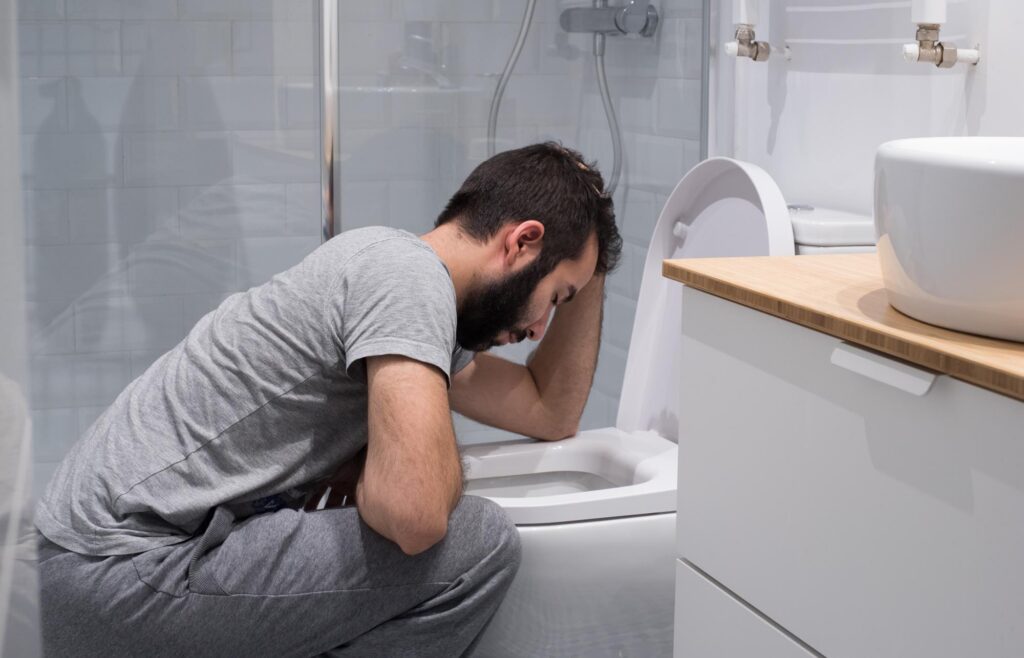
Alcohol and benzodiazepine withdrawal can be life-threatening. Opioid withdrawal is often not life-threatening in the same way, but it can still be medically risky due to dehydration, complications, and relapse vulnerability. It can feel unbearable without support.
A medically supervised detox program provides:
- 24/7 monitoring and clinical support
- Medication support when appropriate to reduce withdrawal severity and cravings
- A safer, more stable environment where you are not managing symptoms alone
- Immediate linkage to the next stage of treatment so you are not left in limbo
At CNV Detox, we provide medically supervised detox in a safe, comfortable setting in Los Angeles. Our clinical team understands how intense withdrawal can be – whether from alcohol using acamprosate, from opioids such as oxycodone (link), or from benzodiazepines (link) – and how much compassion matters during those first days. We ensure that you’re not left managing symptoms alone and that you’re provided with the necessary support throughout your recovery journey.
It’s important to note that detoxing from substances like alcohol or benzodiazepines should always be done under medical supervision due to the potential for severe withdrawal symptoms. For more information on why medically supervised detox is crucial for certain substances like alcohol and benzodiazepines.
A practical way to decide
If you are asking yourself, “Can I detox at home?” a safer question is:
“If withdrawal becomes severe at 2 a.m., do I have medical help right there?”
If the answer is no, professional detox is the safest next step.
Step 4: Address mental health at the same time (dual diagnosis is not optional)
Many people struggling with substance use are also dealing with mental health symptoms, whether diagnosed or not. Sometimes substances started as a way to cope with panic attacks. Sometimes depression came first. Sometimes trauma symptoms show up as insomnia, irritability, numbness, or constant anxiety. Sometimes mental health symptoms appear after heavy substance use begins and then feel impossible to separate.
Either way, treating only the substance use without addressing the mental health piece often leads to a painful cycle:
- Detox or stop using
- Anxiety, depression, or trauma symptoms surge
- Cravings intensify because substances previously “worked” for relief
- Return to use
- Shame and discouragement deepen
This is exactly why dual diagnosis treatment matters.
What dual diagnosis support can include
- Mental health assessment alongside substance use assessment
- Stabilization support for mood, anxiety, sleep (which you can read more about here), and stress response
- Therapy that addresses underlying drivers (trauma, grief, chronic stress, self-worth), including options like motivational enhancement therapy which can be particularly effective
- Skills for emotional regulation, cravings (with helpful tips on dealing with addiction triggers), triggers, and relapse prevention
- A treatment plan that makes room for both recovery and mental wellness
CNV Detox offers a dual diagnosis program so you are not forced to choose between “working on addiction” and “working on mental health.” Many people need both, and it is not a sign that you are complicated or broken. It is a sign that you are human, and your brain is trying to survive.
For those dealing with specific conditions like bipolar disorder alongside addiction, specialized support such as bipolar disorder and addiction treatment can make a significant difference in recovery outcomes.
If you are worried treatment will judge or dismiss your mental health symptoms
You deserve care that takes your symptoms seriously. You do not need to “prove” your anxiety is real or that your depression is severe enough. If it is affecting your life, it belongs in the treatment plan.
Step 5: Commit to the next level of care (and remove barriers today)
Detox is often the first critical step, but it is rarely the full solution. Detox helps your body stabilize. Recovery needs more than stabilization. It needs structure, support, therapy, and time to rebuild.
That is why the next urgent step is to transition into residential rehab or an appropriate treatment plan immediately after detox. The period right after detox can be emotionally intense and physically vulnerable. Having a clear next step reduces the risk of relapse and helps you build momentum while your motivation is present.
What residential rehab can provide that “going home” often cannot
- A stable environment away from triggers, using contacts, and daily chaos
- A consistent routine that supports sleep, nutrition, and mental regulation
- Evidence-based therapy and recovery education
- Peer support and accountability
- Relapse prevention planning grounded in your real life
- Support for co-occurring disorders through integrated care
At CNV Detox, we provide residential rehabilitation in Los Angeles, designed to help you move from detox into a deeper, more durable recovery plan.
Remove common barriers in one afternoon
A lot of people delay treatment because of logistics, not because they do not want help. Here are common barriers and what to do today:
“I can’t miss work.”
Ask about documentation options and treatment planning. A short-term pause can protect your long-term ability to work and function.
“I don’t have anyone to watch my kids.”
Call someone you trust and ask for a short-term plan. You do not need perfect coverage forever, just enough to get you safe and stabilized.
“I’m scared about cost or insurance.”
Call and ask directly what your options are. Many people assume they cannot afford treatment and never verify.
“I don’t know what to pack or what happens next.”
Ask for a simple checklist and an admissions walk-through. Clarity reduces panic.
“I’m embarrassed.”
That feeling is common, but it is not a reason to stay sick. Addiction thrives in secrecy. Recovery grows in support.
If you’re looking for comprehensive support during this transition period, consider exploring options such as individual addiction therapy or addiction group therapy, which can provide the necessary structure and support during recovery.
Moreover, if prescription drug addiction is part of the struggle, specialized programs like those offered at Cascobay Recovery may be beneficial.
Addressing underlying issues such as trauma can also be crucial in the recovery process. For insights on how to effectively address trauma in addiction recovery, it’s essential to seek professional guidance.
Lastly,
A simple checklist you can use today
If you are ready to take action now, here is a realistic short list:
- Put your ID, insurance card (if you have it), and any current medications in one place
- Write down what substances you are using and approximately how much
- Save important phone numbers and set an out-of-office message if needed
- Arrange pet care or a short childcare plan
- Call a treatment center and ask for an admissions evaluation today
You do not need to feel brave to do this. You only need to do the next right step.
What if you are trying to help someone else?
If you are a parent, spouse, friend, or adult child reading this for someone you love, your support can matter more than you realize. A few guiding principles often help:
- Stay calm and specific. “I’m worried about you, and I want to help you get professional support today.”
- Avoid debates about whether it’s ‘that bad.’ Focus on safety and next steps.
- Offer concrete help. “I can drive you,” “I can help you make the call,” “I can watch the kids for two days.”
- Set boundaries with compassion. Boundaries are not punishments. They are safety structures.
If your loved one is not ready, you can still call and ask how to approach the situation. You deserve support too.
The bottom line: you can start recovery today, even if you feel unsure
You do not need perfect motivation. You do not need the “right” words. You do not need to hit a dramatic rock bottom. You only need to take one step toward professional support, then the next.
At CNV Detox, we are an accredited and licensed drug and alcohol detoxification and residential rehabilitation treatment center in Los Angeles, CA, offering medically supervised detox and residential rehab in a safe, comfortable environment. We also provide dual diagnosis care to address co-occurring mental health conditions alongside substance use, because lasting recovery often requires both.
However, our approach is not the only one available. For those located in Maine or seeking resources in that area, Casco Bay Recovery offers valuable assistance. They understand the unique challenges faced during addiction recovery, including societal judgments that can hinder progress or the specific roles women may play in this journey.
Ready to talk with someone today?
If you are ready to take the next step, contact CNV Detox now to discuss options for medically supervised detox, residential treatment, and dual diagnosis support. We will meet you with clinically grounded care, genuine compassion, and zero judgment, and we will help you figure out what to do next, starting today.