
Do I Need Dual Diagnosis Treatment for Anxiety and Addiction?
If you’re living with anxiety and also struggling with alcohol or drugs, it can be genuinely hard to tell what’s driving what.
Maybe you started drinking to “take the edge off” your racing thoughts. Perhaps panic attacks showed up after cocaine or stimulant use. You might have been prescribed medication for anxiety and things slowly became complicated, or maybe you’ve tried to stop using, but the anxiety spikes so intensely that relapse feels almost inevitable.
If any of that sounds familiar, dual diagnosis treatment may be exactly what you need.
Dual diagnosis treatment is designed for people experiencing both a substance use disorder and a mental health condition like anxiety at the same time. Instead of treating addiction first and anxiety later, dual diagnosis care addresses both together, because they often feed into each other in ways that are difficult to untangle without support.
Below, we’ll walk through how anxiety and addiction overlap, signs you might benefit from dual diagnosis treatment, what effective care looks like, and how our team at CNV Detox supports recovery with clinically grounded care and zero judgment.
What “dual diagnosis” means (in plain language)
A dual diagnosis refers to having:
- A substance use disorder (alcohol or drug addiction), and
- A co-occurring mental health condition, such as an anxiety disorder
This is also called co-occurring disorders.
Dual diagnosis treatment brings both conditions into the same treatment plan, with an integrated approach. That matters because anxiety symptoms can trigger cravings, and substance use can worsen anxiety, disrupt sleep, intensify panic, and make it harder to think clearly.
When one condition is treated without addressing the other, many people find themselves stuck in a cycle of short-term improvement followed by relapse or worsening mental health. This is particularly evident in cases of bipolar disorder and addiction, where both conditions need simultaneous attention for effective recovery.
Why anxiety and addiction so often show up together
Anxiety and substance use overlap for a few common reasons. Your story may include one or several.
1) Self-medication (trying to feel better fast)
Many people use substances to cope with anxiety because it works temporarily.
- Alcohol may quiet anxious thoughts in the moment
- Opioids may create emotional relief or numbness
- Cannabis may feel calming at first, but it can also lead to increased anxiety later on, especially with high-THC products as noted in this article
- Benzodiazepines may reduce panic but can become risky when misused
- Stimulants may increase confidence socially, until they increase anxiety later
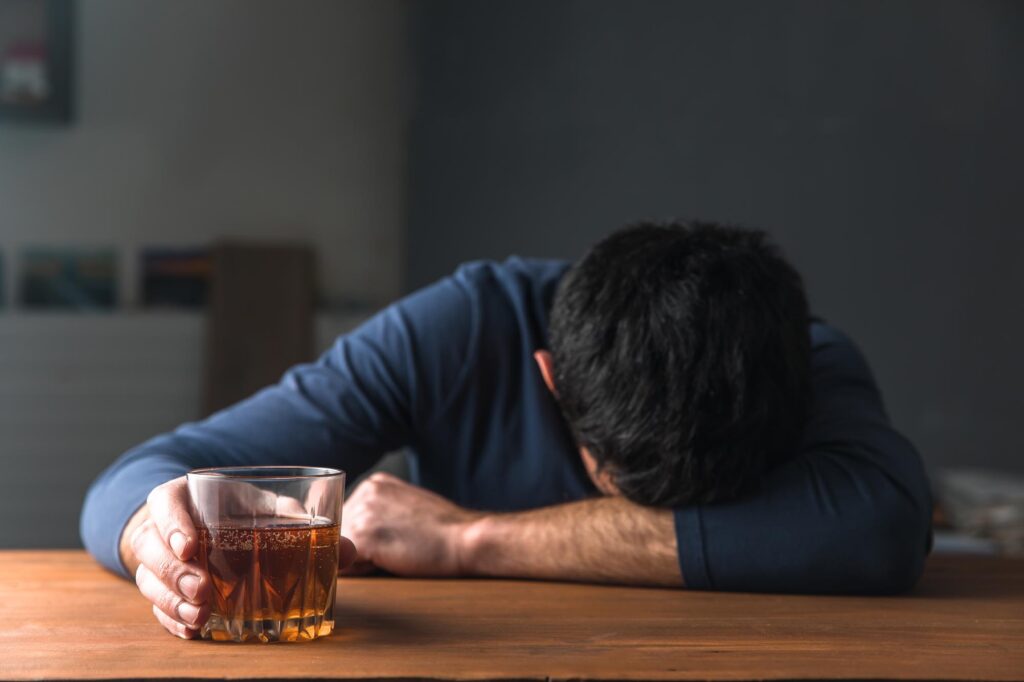
The problem is that the brain adapts. Over time, the same substance that once brought relief can make anxiety worse, especially between uses.
2) Withdrawal can mimic or intensify anxiety
Anxiety is one of the most common withdrawal symptoms across many substances. During detox, the nervous system is recalibrating. That can lead to:
- Panic-like sensations
- Restlessness
- Irritability
- Racing heart
- Sweating or trembling
- Insomnia
- A sense of dread
Without proper medical and clinical support, withdrawal-related anxiety can feel frightening enough to drive someone back to using just to make it stop.
3) Substance use can create anxiety that wasn’t there before
Some people had mild anxiety, then it became severe with ongoing substance use. Others didn’t have anxiety symptoms at all until after heavy use began.
Stimulants, cannabis (especially high-THC products), hallucinogens, and alcohol can all contribute to anxiety symptoms or panic in certain people, particularly with chronic use, high doses, or underlying vulnerability. This illustrates how drug misuse can lead to addiction, further complicating the relationship between anxiety and substance use.
4) Both conditions may share risk factors
Trauma history, chronic stress, genetics, sleep disruption, relationship instability, and untreated mental health symptoms can all increase risk for both anxiety and addiction.
None of this means you did something wrong. It means your brain and body have been trying to survive and cope, and now you deserve real support.
Do I need dual diagnosis treatment? Key signs to look for
You don’t need to “prove” you have a dual diagnosis. If anxiety and substance use are both part of the picture, it’s worth being assessed by a team that can evaluate both. Still, these signs often indicate that dual diagnosis care could be the best fit:
1) You use substances to calm anxiety, sleep, or feel “normal”
If your drinking or drug use is tied to managing anxious feelings, panic, social anxiety, or insomnia, integrated treatment is important. This might include medication-assisted treatment which can help in such scenarios. Otherwise, removing substances without building anxiety support can leave you feeling raw and overwhelmed.
2) When you try to quit, anxiety becomes unbearable
If anxiety skyrockets during attempts to stop using, it may be a mix of withdrawal and an underlying anxiety disorder. Dual diagnosis treatment can address both safely and clinically.
3) You’ve done treatment before, but anxiety pulled you back
A common relapse pattern looks like this:
- Stop using
- Feel physically better
- Anxiety returns hard
- Cravings increase
- Relapse to cope
This cycle often requires a specific approach that targets the underlying issues. For instance, incorporating Cognitive Behavioral Therapy (CBT) into your treatment plan can be beneficial in breaking this cycle.
4) You have a personality disorder alongside anxiety or addiction
In some cases, individuals may also struggle with a personality disorder. These conditions often co-occur with anxiety and addiction, complicating the treatment process but highlighting the necessity of comprehensive care that addresses all aspects of mental health.
4) Your anxiety symptoms are persistent and not just “situational”
Some anxiety is a normal response to life stress. But if symptoms are frequent, intense, or interfere with daily functioning, it may be an anxiety disorder that deserves real treatment.
Common symptoms include:
- Constant worry you can’t control
- Panic attacks
- Fear of leaving the house or certain places
- Intense social fear or avoidance
- Obsessive thoughts or compulsive behaviors
- Muscle tension, stomach issues, headaches
- Chronic insomnia
- Feeling keyed up or on edge most days
If you’re struggling with these symptoms, best supplements for anxiety might provide some relief alongside professional treatment.
5) You’re using multiple substances (especially mixing depressants)
Combining alcohol, opioids, and benzodiazepines is particularly risky medically, and often connected to attempts to manage anxiety, sleep, or emotional distress. Dual diagnosis programming can help address the reasons behind the mix, not just the behavior.
6) You have a history of trauma, depression, or other mental health symptoms
Anxiety rarely exists in isolation. Many people also experience depression, PTSD symptoms, mood swings, or emotional numbness. Dual diagnosis care is designed to assess the whole picture.
7) You’re not sure what came first
A lot of people ask: “Do I have anxiety because I use, or do I use because I have anxiety?”
That uncertainty is itself a reason to seek dual diagnosis evaluation. You don’t have to figure it out alone.
Anxiety vs. withdrawal anxiety: why the difference matters (and why you don’t need to guess)
One reason dual diagnosis treatment is so valuable is that early recovery can [blur the lines between:
- Withdrawal symptoms
- Rebound anxiety (especially after alcohol or benzos)
- Pre-existing anxiety disorders
- Anxiety triggered by stress, shame, or fear about stopping](https://www.abhayawellness.com/panic-attack-vs-withdrawal-symptoms/)
In a medically supervised setting like an addiction treatment center in Portland, we can monitor what’s happening in real time, stabilize the body, and provide clinical support while symptoms clarify. For many people, anxiety improves significantly after detox. For others, anxiety remains and needs ongoing treatment. Either way, you’re supported.
What dual diagnosis treatment for anxiety and addiction should include
Not all programs are truly integrated. Effective dual diagnosis care typically includes:
Comprehensive assessment (not assumptions)
A proper evaluation looks at:
- Substance history (type, frequency, duration, patterns)
- Mental health symptoms (current and past)
- Trauma history and stressors
- Medical factors, sleep, and medications
- Prior treatment experiences
- Safety concerns (including self-harm risk if present)
This helps shape a plan that fits you, instead of forcing you into a one-size approach.
Medically supervised detox when needed
Detox is not just “getting through withdrawal.” It’s a clinical stabilization process, especially important when alcohol, benzodiazepines, opioids, or multiple substances are involved.
Medically supervised detox can reduce risk, manage symptoms, and make the early days safer and more tolerable, including when anxiety is intense.
Evidence-based therapy for both anxiety and addiction
Dual diagnosis care should help you build coping skills that actually work when anxiety hits, without substances.
Depending on your needs, treatment may include approaches such as:
- Cognitive Behavioral Therapy (CBT) to challenge anxious thought patterns and reduce avoidance
- DBT skills for distress tolerance, emotional regulation, and crisis coping
- Motivational work to strengthen commitment without shame
- Trauma-informed care when trauma is part of the anxiety-addiction link. Trauma history can significantly impact both anxiety and addiction.
- Relapse prevention planning that includes anxiety triggers, not just substance triggers
Psychiatric support and medication management when appropriate
Some people benefit from medication for anxiety. Others don’t. What matters is careful assessment and monitoring, especially because certain medications can be risky or habit-forming.
In dual diagnosis treatment, medication decisions should consider:
- Your addiction history and relapse risk
- Interactions with detox and recovery
- Non-addictive options when possible
- Sleep, panic symptoms, and co-occurring depression or PTSD
The goal is stability, clarity, and safety, never replacing one dependency with another. It’s also essential to recognize other potential co-occurring disorders such as schizophrenia, OCD, or ADHD, which can complicate the treatment process but can also be addressed within a comprehensive dual diagnosis framework.
Skills for real life, not just treatment life
Anxiety tends to surge during transitions: returning home, going back to work, facing relationships, or being alone at night.
A strong dual diagnosis program helps you plan for:
- High-risk anxiety moments
- Cravings that follow panic, insomnia, or conflict
- Social situations and boundaries
- Sleep routines and nervous system regulation
- Ongoing care (step-down levels, outpatient support, therapy)
Why treating only addiction (or only anxiety) often doesn’t work
When anxiety is ignored, recovery can feel like white-knuckling. People may stay sober but feel miserable, constantly on edge, and vulnerable to relapse.
When addiction is ignored, anxiety treatment may be less effective because ongoing substance use can:
- Counteract therapy progress
- Disrupt sleep and mood regulation
- Intensify panic symptoms
- Increase depression and irritability
- Create unstable routines and relationships
- Lead to dangerous medication interactions
Dual diagnosis treatment is about giving you a plan that matches reality: your mental health and substance use are connected, so care should be connected too.
Common types of anxiety seen in dual diagnosis treatment
Anxiety can look different from person to person. In dual diagnosis settings, we often see:
- Generalized Anxiety Disorder (GAD): constant worry, tension, overthinking
- Panic disorder: panic attacks, fear of having another attack
- Social anxiety: fear of judgment, avoidance, drinking or using to socialize
- PTSD-related anxiety: hypervigilance, triggers, nightmares, emotional reactivity – similar to what we see in PTSD-related anxiety
- OCD features: intrusive thoughts, compulsions, rituals that reduce anxiety temporarily – often associated with OCD
You do not need a perfect label to deserve treatment. The label only matters if it helps guide care. It’s important to remember that anxiety disorders can co-occur with other conditions like eating disorders or even bipolar disorder, and understanding this can aid in more effective treatment. Additionally, issues like codependency should also be addressed as part of a comprehensive treatment plan.
What recovery can look like when both are treated together
Dual diagnosis treatment does not promise a life with zero anxiety. Most people still feel stress sometimes. The difference is that anxiety becomes manageable.
With integrated care, many people experience:
- Fewer panic symptoms and less fear of them
- Better sleep and steadier energy
- Reduced cravings because coping improves
- Less shame and more self-trust
- Stronger relationships and communication
- A clearer understanding of triggers
- A realistic plan for long-term recovery
And importantly, it becomes easier to answer the question: “What do I do when anxiety hits?” without your brain going straight to substances.
When to seek help urgently
If any of the following are happening, it’s important to reach out for immediate support:
- You’re mixing alcohol with benzodiazepines or opioids
- You’re having severe withdrawal symptoms
- You’re experiencing suicidal thoughts or feel unsafe
- Panic attacks are frequent, escalating, or leading to risky substance use
- You can’t stop using despite consequences
- You’re blacking out, overdosing, or waking up unsure what happened
You are not alone in this, and you don’t have to wait until things get worse to get help.
How we support dual diagnosis recovery at CNV Detox
At CNV Detox in Los Angeles, we provide medically supervised detox and residential rehabilitation in a safe, comfortable environment, with care that addresses both substance use and co-occurring mental health conditions through our dual diagnosis program.
We understand how anxiety can drive addiction, and how addiction can worsen anxiety. Our approach is compassionate, clinically grounded, and built to help you stabilize, understand what’s really going on, and build skills for lasting recovery.
Take the next step (we’re here when you’re ready)
If you’re wondering whether you need dual diagnosis treatment for anxiety and addiction, that question alone is a meaningful sign that something deserves attention and support.
Reach out to CNV Detox today to talk confidentially about what you’re experiencing, explore detox and residential treatment options, and learn how our dual diagnosis program can help you feel steady again without relying on substances.